
Shakahola Horror And The Regulation Of Faith In Kenya
The judge has handed Makenzi of Shakahola a stiff sentence. But somewhere in Kenya, a man with a microphone, a plot of land and a story about the end of the world is looking for people who have run out of reasons to trust anyone else. The question Shakahola leaves us is whether, when he finds them, anyone will be watching.
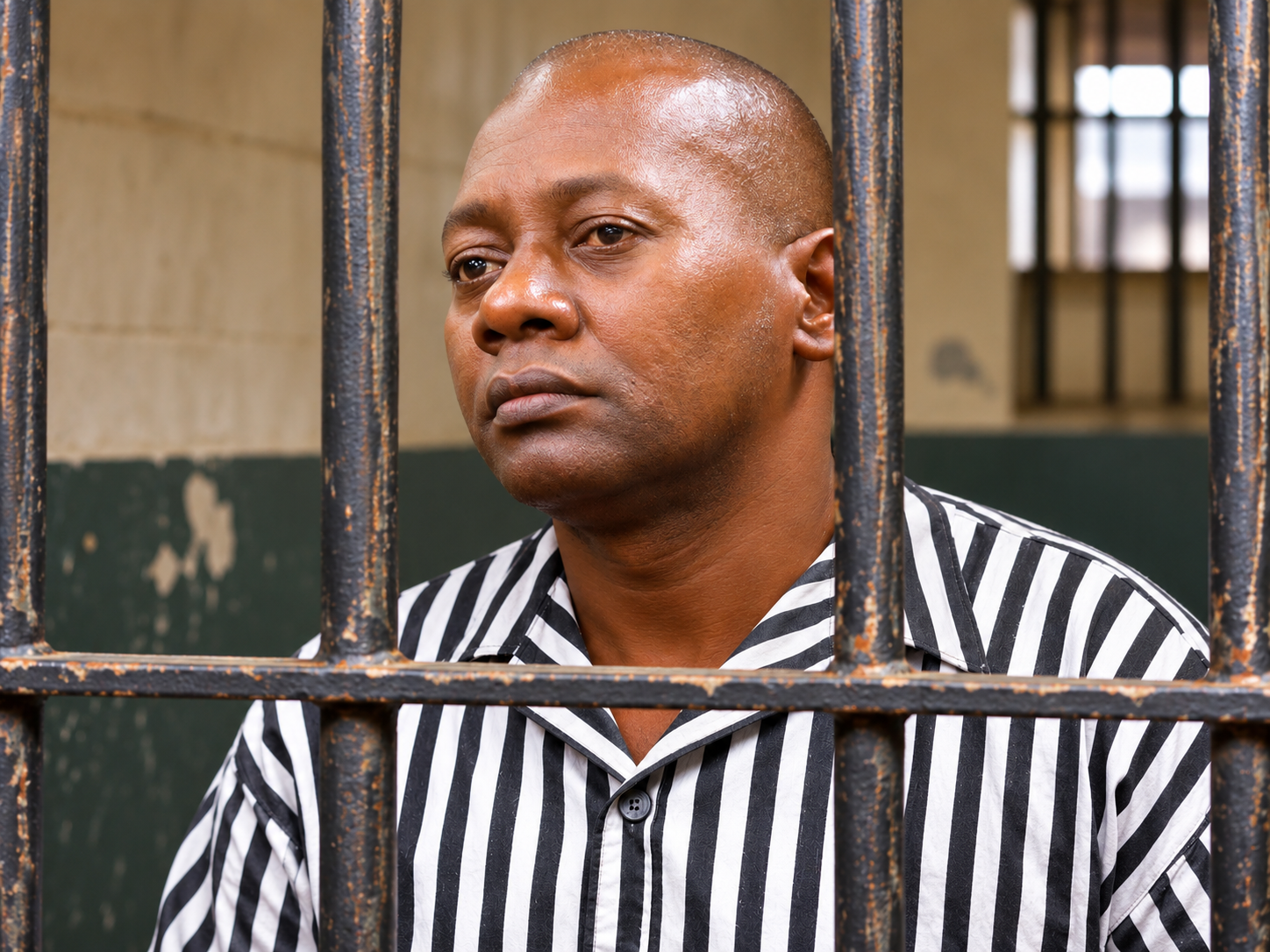
On Friday, a judge in Mombasa closed the criminal case against Paul Nthenge Mackenzie. The High Court sentenced the preacher to 200 years after convicting him of murdering 191 people, 190 of them children. The term comprises 100 years for 183 deaths by starvation and 100 for eight murders by direct homicide. His 28 co-accused were also convicted and sentenced. Prosecutors had asked for death, which the judge declined to impose. The families of Shakahola have waited years for this verdict, and they are owed it
But a verdict is not a remedy. A court can account for what happened in the Shakahola Forest. It cannot explain how a former taxi driver turned a patch of Kilifi scrubland into a killing field, or why the same ground could be broken again.
A machine for isolation
The 191 counts understate the horror. The cult has been linked to more than 400 deaths, and the exhumations of shallow graves went on for months. The scale hides an uncomfortable fact: Mackenzie’s method was neither mysterious nor new. It was a sequence of steps, each visible to anyone paying attention.
First, he taught his followers to distrust everything that could rescue them. Schools, hospitals and national identity documents, including the Huduma Namba, were recast as instruments of the biblical beast. Parents pulled their children out of classrooms. Papers were burned. A family without a school, a clinic or an ID has been stripped of its ties to the state, and those are the ties that would have raised the alarm.
Second, he built an audience. He had a television station and a YouTube following, and he used them to reach people far beyond Malindi who were anxious, in debt or sick.
Third, he left. As scrutiny grew he bought land in Shakahola and divided it into zones named after Jerusalem and Judea, a private kingdom with its own geography and its own enforcers. The fast he decreed there was an apocalyptic deadline imposed on people who could no longer leave or ask anyone outside. The youngest were starved first.
None of this was invisible. Mackenzie had come to the authorities’ attention before and was released. Children vanishing from school registers, mass land purchases and an anti-medical creed preached on air were all public warning signs. The failure was not a lack of information. Nobody was obliged to act on it.
Yet, while the gavel has fallen on Makenzi and his 28 co-accused, the structural apparatus that made the Shakahola massacre possible remains largely intact.
The Shakahola incident, where over 400 bodies were eventually exhumed from shallow mass graves after followers were coerced into starving themselves to “meet Jesus,” is not an isolated anomaly. It represents the culmination of a recurring, global pattern: the exploitation of spiritual hunger and economic vulnerability by charlatans weaponizing faith.
Understanding how a former taxi driver built a deadly movement requires examining Kenya’s specific socio-religious landscape, mapping the global legacy of apocalyptic cults, and confronting the uncomfortable reality of which major faith traditions have produced the most lethal offshoots.
The wrong lesson
It is tempting to draw a theological moral from the carnage and to ask what it is about a particular faith that breeds such men. The comparative record argues against that. Apocalyptic cults have killed under many banners: Jonestown, with its 900-odd dead, and Waco, which came out of Christian traditions, but also the Solar Temple, Heaven’s Gate and Aum Shinrikyo, a Japanese blend of Buddhist, Hindu and millenarian ideas that released sarin on the Tokyo subway. The deadliest case on African soil before Shakahola was in Uganda in 2000, when more than 700 members of a breakaway Catholic movement died at Kanungu.
What these groups share is not a creed but a structure. A single leader claims exclusive access to ultimate truth. A prophecy sets a deadline. Followers are cut off from outside voices. And the pull of that leader is strongest where other sources of certainty, such as a functioning clinic, a job or a school, have failed.
Christian language mattered at Shakahola because it was the language Mackenzie’s audience already spoke. The preacher’s genius was to turn a familiar vocabulary into a weapon. The weapon needed a particular user, and it found one in a country where religious authority answers to no one.
Regulating the pulpit without policing the creed
Kenya has a deregulated religious marketplace. Founding a church is simple, and accountability is optional. The country should resist the lazy answer, which is for the state to judge doctrine. That road leads to persecution and would be rightly resisted by every major faith. Past attempts to impose oversight foundered on that resistance.
The state need not dictate what a parent believes, but it can and should regulate conduct and money, and it can demand transparency from those who ask the public for trust.
Four steps would help. First, make conduct enforceable: whatever a parent believes, a child’s rights to schooling, medical care and life are not up for negotiation, so truancy, withheld treatment and mass withdrawal from school should trigger a response from local administrators, and that response should be backed by law.
Second, train the people at the front, because chiefs, elders and local police see the early signs first—abandoned classrooms, burned documents, sudden collective land purchases—and they need guidance on what these mean and an obligation to report them upward.
Third, follow the money and the airwaves: organisations that run broadcast stations or collect donations from the public should meet audit and disclosure standards, and self-regulating umbrella bodies, with real peer review and the power to expel, can supplement the state without replacing it.
Fourth, treat poverty as part of the problem—poverty does not make anyone a cultist, but a prophet’s promise of miracles sells best where clinics are far away and work is scarce, and rural healthcare, jobs and social protection are among the cheapest ways of shrinking the market for fraud.
After the gavel
Courts punish; however, they do not prevent. The 200 years handed to Mackenzie will protect no child from the next self-appointed messiah unless Kenya shuts the gaps he exploited. Those gaps are weak oversight of religious institutions, thin state presence in remote districts and the lack of a plan to get children back to school. Mackenzie is gone, but the conditions that made him are still in place.0°
