
Throwing Out Judicial Restraint And Political Stability With The Bathwater
Why outgoing Chief Justice David Maraga's enthusiasm to dissolve Parliament is reckless
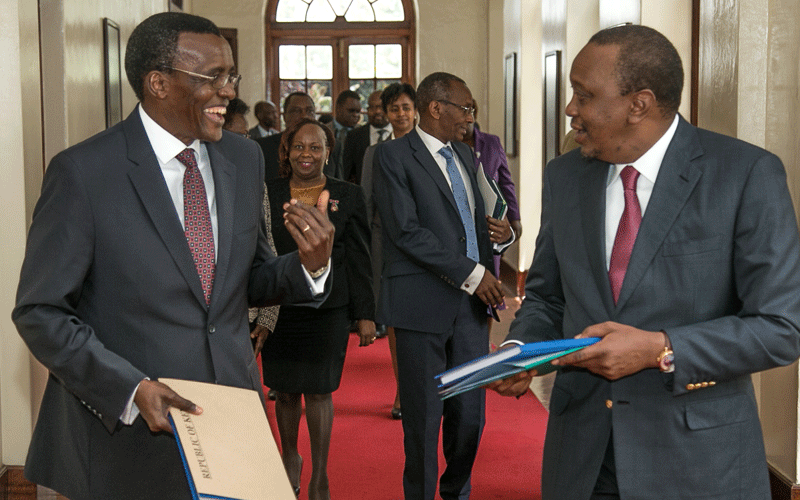
During the hearing of the 2017 presidential election petition at the Supreme Court of Kenya, the former attorney general, Prof Githu Muigai, was at pains to beseech Kenya’s highest court not to overturn the election. His argument was that the decision to overturn the election would be destabilizing to the country. Githu put it to the Justices that they were required to preserve their authority and protect national stability by pursuing a jurisprudence that linked their decision to past decisions – stare decisis – and by addressing the new realities provided by the new political dispensation and changing needs and aspirations of the wider Kenyan society with creativity.
Needless to say, the argument fell on deaf judicial ears. In spite of a lack of evidence as noted by the two dissenting judges, Hon. Njoki Ndungu and Hon. Jackton Ojwang, the Chief Justice David Maraga ganged up with others to procure a narrow majority that annulled the election, guaranteeing the place of Maraga’s court in history as one of the very few terminal courts in the entire world to have overturned the election of a head of state and government. Arguing that the process – which he said was more important than the electoral outcome – had not been followed in the election, the CJ disregarded the real credible threat of political chaos.
Read the full text: The Constitution of Kenya, 2010 (PDF, free)
